Features ROMI.HR
/
 Source: v.ivash via Freepik
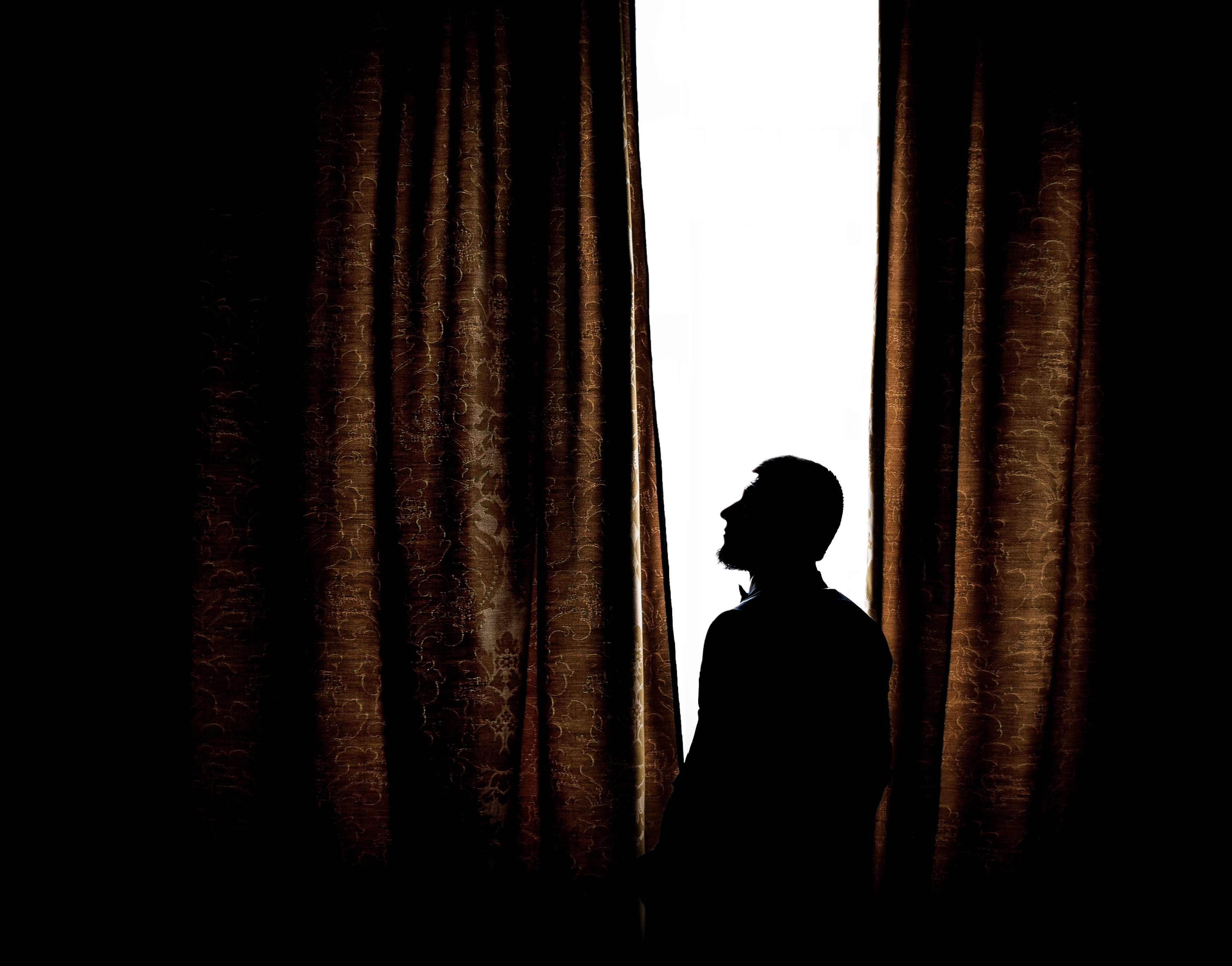
 Karagöz and Hacivat, the iconic duo of Ottoman shadow theatre, have entertained audiences for centuries with their witty banter and satirical reflections on society. Beyond their cultural importance, some traditions suggest that Karagöz himself was of Roma origin, adding a deeper layer to his role as a voice of the common people.
Karagöz and Hacivat are among the most beloved and enduring characters in Turkish folk culture, legends whose humorous exchanges and contrasting personalities have delighted audiences for centuries. Rooted in the Ottoman period’s shadow puppet theatre, their stories explore social classes, satire, and the human condition—Karagöz with his earthy directness, and Hacivat with his polished, educated speech. Over time these figures have become more than entertainment—they are symbols of popular wisdom, resistance, and the interplay of folk identity and power.
The origins of the Karagöz and Hacivat tradition are not crystal clear, though its first fully developed versions emerge in the 16th century Ottoman Empire. The art form—shadow puppetry—was popular among the people, performed in coffeehouses, during Ramadan evenings, and at various festive contexts. Karagöz (literally “Black Eyes,” a name that suggests an outsider or folk character) often represents the common, uneducated folk: impulsive, witty, full of earthy humor. Hacivat, by contrast, serves as his foil, belonging to a more educated, urbane class, using literary Ottoman Turkish and often acting as a bridge between the official culture and the popular one.
An intriguing part of Karagöz’s legend is that some believe he was Roma. According to certain local stories and recent journalistic sources, Karagöz is said to have been a Roma man named “Sofyozlu Bali Çelebi,” working as a stableman during the Seljuk period. This narrative is not universally accepted among scholars, however—many historians regard it as a part of legend rather than documented fact. The claim highlights how cultural figures like Karagöz can take on multiple identities in popular memory, becoming a means through which marginalized communities see themselves reflected.
The significance of Karagöz and Hacivat extends beyond the stage. In their dialogues, we see critique of power, hypocrisy, social inequalities, and human foibles. Through comedic sketches, dialects, and caricatured characters—villagers, bureaucrats, foreigners, traders—they mirror the wider Ottoman society’s diversity. Shadow plays also feature improvisation, local speech, and interactions with the audience, allowing them to be dynamic, responsive to events, and socially relevant. The craft of making the puppets (tasvirs), manipulating them behind a screen, casting shadows, and using music and recitations—these all contribute to a deeply embodied form of popular theatre.
In modern times, while Karagöz and Hacivat have lost some of their ubiquity—replaced in part by cinema, television, and digital media—they still hold an irreplaceable place in Turkey’s cultural heritage. During Ramadan, in cultural festivals, educational settings, and museums, performances persist, reminding people of their roots.
Whether Karagöz was truly Roma or whether that part is myth, the very association matters. It speaks to how Roma identity—and more broadly marginalized identities—can be woven into shared national culture, even if invisibly or ambiguously. It also reminds us that folk legends often carry multiple truths: historical, symbolic, mythic. In this sense, Karagöz becomes a space where identity, culture, laughter, and social critique converge.
Ultimately, Karagöz and Hacivat are more than folk characters; they are cultural mirrors. They reflect who we are, who we were, and who we might become—all through shadows and laughter.
 Back to Features