Features ROMI.HR
/
Merry Christmas and Happy New Year!
 Source: Thgusstavo Santana from Pexels via Canva
 Religious diversity within the Roma community is a powerful tool for survival and inclusion. Many Roma adapt to the dominant religions of countries; religious flexibility has helped groups avoid discrimination and fostered a sense of identity and support in the broader community. Catholic Christian faith has merged with the lives and traditions of various Roma groups, revealing how religious practice combined with traditional culture creates unique ways to celebrate holidays and preserve cultural heritage.
CHRISTMAS CELEBRATIONS
Preparations for Christmas involve deep house cleaning, discarding old items, and emphasizing family harmony. Beautiful decorations and Christmas trees are acquired, with red being a preferred color associated with success, joy, and good spirits. Food preparations begin two days prior, featuring turkey or goose and a suckling pig, with specific traditions for slaughter. Christmas Eve focuses on fasting and setting up the table with symbolic items like bread, apples, dried fruits, and decorating with crucifixes. The pine tree and straw are ceremoniously brought in, blessed, and decorated, while children play on the straw so that all blessings and wishes may pass on and be kept by them throughout the year. The celebration used to start as the men sit at the table and the women attend the midnight service.
Upon returning from the midnight service, women bring blessings symbolized by a festive cake. The first visitor on Christmas Day must be healthy and wealthy to ensure prosperity. Gifts are exchanged, and celebrations may last for days, concluding with a purification ritual involving burning straw and leaping over the fire to ensure success for the year ahead. The Roma blend local customs with traditional practices aimed at ensuring family prosperity and well-being. Each part of the rituals carries significant meaning, which helps preserve cultural heritage. Respect for the elderly is important, especially during Christmas when families gather to ensure collective advancement. Music and storytelling practices such as caroling with Roma melodies blend tradition with Catholic practices, often included in religious services or family gatherings, offering a unique and distinct cultural difference to Roma celebrations.
NEW YEAR'S CELEBRATIONS
Catholic Roma celebrate New Years on January 1. For New Years 2025 and 2026, the presence of the 2025 Jubilee has supported Catholic Christian Roma communities to blend traditional celebrations and festive gatherings with religion.
Roma celebrations include sharing large meals with foods like lentils for prosperity and luck, roast meats to ensure a bountiful year, and figs, dates, and honey as tokens of good wishes. These delicacies transform regular meals into spiritual acts of blessing and hope by connecting faith, family, and tradition.
Roma communities take part in spiritual activities throughout the Jubilee Year, seeing themselves as pilgrims and emphasizing hope, solidarity, and faith in God. Lively music and dance events incorporate Roma cultural heritage within the new year, along with events such as masses and processions at sacred sites and prayer services for the first Catholic Roma martyr, Blessed Ceferino Giménez Malla. Celebrations emphasize spiritual revival for the New Year, particularly in light of the Jubilee, and combine colorful cultural expression with Catholicism.
THE FEAST OF THE EPIPHANY
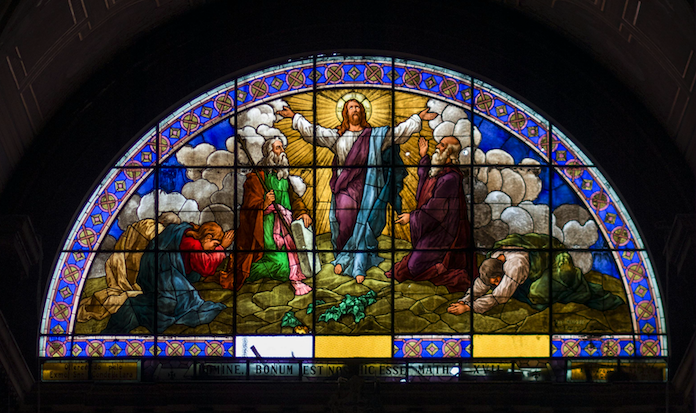
Celebrated on January 6, many Catholic Roma celebrate the Feast of the Epiphany, which observes the Manifestation of Jesus to the world through the Adoration of the Magi, also known as the Three Kings or Wisemen. Many Roma attend the traditional Mass on January 6, or the nearest Sunday, to commemorate the Wisemen and their gifts. The celebrations blend Roma customs through community and family gatherings, blessing houses with holy water, folk singing with traditional Roma melodies, and making feasts with Roma dishes like the traditional stew from Great Britain, Joey Grey; stuffed vegetables such as Sarmale from Romania; meats; soups; and sweets such as Slavic Pirogo, a noodle casserole, or Cozonac, a rich sugared bread originating from Romania and Bulgaria, as well as wine to symbolize abundance.
The Feast of the Epiphany symbolizes Christ’s manifestation to all people; this core message is powerful for historically marginalized Roma groups. Epiphany validates Roma’s unique cultural and religious journeys. It is an influential message that integrates Roma traditions with a universal call to celebrate Catholicism.
HOLIDAYS AND CULTURAL HERITAGE
Today, fewer Roma people follow all older traditions because historic persecution has affected their culture, making it harder to maintain unique customs. Therefore, Roma often celebrate holidays with the broader community and integrate Catholic Christian practices with remaining Roma customs, which promotes tolerance and acceptance by the church. The move from traditional Roma lifestyles to more modern environments has additionally impacted the continuity of traditional practices and celebrations.
Commercialized celebrations influence younger generations to adapt to the mainstream style, weakening Roma traditions. However, it is essential to maintain unique customs, as they are invaluable to cultural heritage and identity.
 Back to Features