Focus ROMI.HR
/
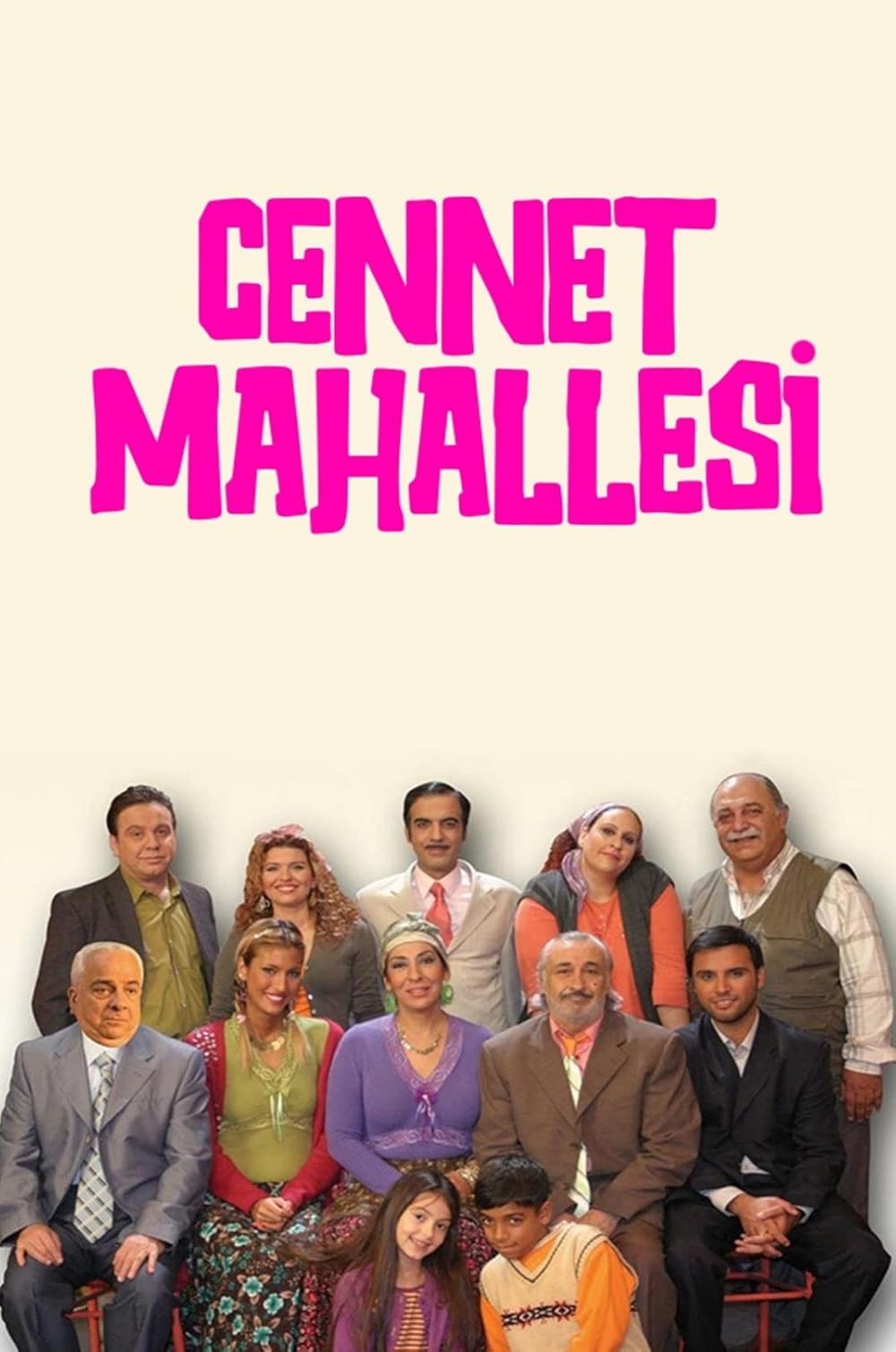
One of Turkey’s most iconic comedy series, Cennet Mahallesi, brought the vibrant chaos of a Roma neighborhood to national television. But beneath its music and laughter lies a deeper story about how minority communities are represented on screen.
Cennet Mahallesi is one of the most memorable comedy series in Turkish television history. Set in a Roma neighborhood in Istanbul, the show follows the everyday lives, romances, and rivalries of two colorful families. With its mix of humor, music, and drama, it offers a fun and exaggerated look at a lively community—while also raising questions about how Roma people are portrayed on screen.
Cennet Mahallesi (Paradise Neighborhood) is a Turkish comedy series that aired between 2004 and 2007, bringing the vibrant and chaotic world of a Roma neighborhood in Istanbul to television screens. Shot largely in Istanbul’s historic districts, the series revolves around two Roma families whose lives are deeply intertwined through love, rivalry, gossip, and daily misadventures. At the heart of the plot is the forbidden romance between Sultan and Ferhat —echoing a classic Romeo-and-Juliet theme—while the show dives into the colorful relationships among neighbors, the traditions of Roma weddings, and the comical tension between parents. Drawing inspiration from the popular 1980s musical comedy films Gırgıriye, Cennet Mahallesi brings that exaggerated, music-filled world into serialized storytelling.
The show quickly became a household favorite in Turkey, known for its catchy music, theatrical acting style, and exaggerated humor. Spanning 72 episodes over three seasons, it aired on Show TV and maintained strong ratings throughout its run. Its characters—like the fiery Pembe and the flamboyant Yunus—became iconic in Turkish pop culture, and its phrases and scenes found their way into everyday conversations and memes. Its blend of music, over-the-top performances, and family drama created a distinct tone that set it apart from more traditional Turkish dramas of the time.
Despite its popularity, Cennet Mahallesi received mixed reactions in terms of cultural representation. While many viewers appreciated the show’s energy and humor, critics have pointed out its heavy reliance on stereotypes in depicting Roma communities. The characters often reflect exaggerated traits—loudness, superstition, musical talent, constant feuding—that reduce the complexity of Roma identity into caricature. For some, the series is a nostalgic comedy; for others, it’s an example of how Turkish media has historically portrayed Roma people with limited nuance, often reinforcing marginalization under the guise of entertainment.
After reading Kurtişoğlu’s article on Cennet Mahallesi, I noticed how the series intentionally replaces negative Roma stereotypes with more positive—but still simplified—ones. The characters are shown as loyal, romantic, and hardworking, and humor is used to soften existing biases. While this feels like a step forward, it also risks painting Roma communities as a monolithic, harmless group, glossing over the social and cultural complexities they actually face.
Still, Cennet Mahallesi holds a unique place in Turkish television history. It managed to blend tradition, humor, and music into a familiar neighborhood story that resonated with many across the country. Whether seen as a joyful celebration of Roma culture or a problematic portrayal wrapped in laughter, the series remains an important cultural artifact worth revisiting and discussing in the context of representation and popular media. As one of the few mainstream shows to center Roma characters, it highlights how powerful media can be in shaping public perceptions of minority communities—either by challenging existing stereotypes or, at times, reinforcing them through seemingly harmless entertainment.
 Back to Focus