Focus ROMI.HR
/
 Source: Freepik
 History lives not only in textbooks and memorials, but also in the silence of the places where it unfolded. My visit to the Jasenovac concentration camp in Croatia revealed how powerfully the past can linger in a landscape. Once the site of unspeakable cruelty under the Ustaše regime, Jasenovac now stands as both a grave reminder of humanity’s darkest moments and a call to remember, reflect, and act.
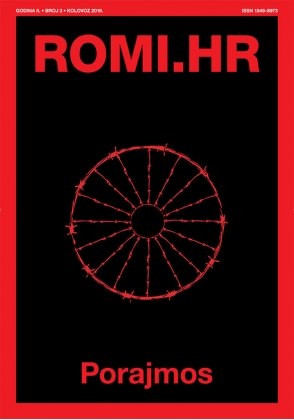
History leaves marks—not just in books and museums, but in landscapes, memories, and the silence that lingers long after the violence ends. My visit to the Jasenovac concentration camp in Croatia was one of those rare experiences where the past feels painfully present. Known as one of the most tragic sites of World War II in the Balkans, Jasenovac was a place where the Ustaša, implementing the plans and orders of the Independent State of Croatia, systematically and in an organized manner during the Second World War carried out the Porajmos against the Roma, the Holocaust against the Jews, and the Genocide against the Serbs. Jasenovac was a place where thousands were imprisoned, tortured, and killed. I visited with a heavy heart, aware of the weight this land carries—and left with even heavier thoughts about memory, responsibility, and humanity.
Reflection
When I visited the Jasenovac concentration camp, I felt a deep heaviness as I walked through the grounds. It was difficult to imagine that such a peaceful, quiet place today was once the scene of so much unimaginable suffering. The silence of the memorial made me reflect on the thousands of innocent lives that were lost here. Standing there, I felt a mix of sadness, anger, and respect for the memory of the victims. It reminded me how fragile humanity can be when hatred and discrimination take over.
What struck me most was the strong contrast between the beauty of the surroundings and the dark history they hold. There were flowers blooming, green fields stretching out, and the river gently flowing by, looking calm and serene. It was hard to believe that this same Sava river and this same nature once witnessed terrible acts of violence. That contrast made the experience even more emotional, as if the land itself carries silent memories of what happened.
At the same time, the site gave me a sense of responsibility. Seeing the exhibits and learning about the stories of those who suffered made me realize how important it is to remember and talk about these events. Visiting Jasenovac is not just about looking back at the past—it is a reminder to stand against injustice today. It left me with a lasting impression that education and remembrance are powerful ways to prevent history from repeating itself.
Jasenovac is more than a historical site—it is a warning, a memorial, and a call to conscience. It urges us to carry forward the memory of those who were silenced and to confront the forces of hatred and exclusion that still exist in the world today. As I left, I carried with me not only sorrow for what had happened but also a renewed commitment to listen, to learn, and to speak up. In remembering Jasenovac, we are not just honoring the past—we are shaping a more humane future.
 Back to Focus