Focus ROMI.HR
/
 Source: wirestock via Freepik
 Every spring, the historic city of Edirne in Turkey comes alive with the vibrant Kakava Festival, a celebration rooted in Roma culture. Full of music, dance, and ancient rituals, Kakava marks the arrival of spring while honoring traditions that have been passed down through generations. The festival not only showcases cultural heritage but also brings communities together in a shared spirit of joy and renewal.
Every May in the historic city of Edirne, Turkey, the Kakava Festival (Kakava Şenlikleri) comes alive with music, dance, and vibrant rituals. More than just a festive gathering, Kakava is a tradition deeply rooted in Roma culture—a celebration of renewal, hope, and community that has grown into one of the region’s most colorful cultural events.
The origins of the festival are tied to Roma history and mythology. According to oral tradition, it recalls the story of Roma people escaping oppression during the time of the Pharaohs, eventually finding freedom near the waters of a river. This symbolic connection with water and rebirth still plays a central role in Kakava today. The festival also overlaps with Hıdırellez, a spring celebration widely observed in Turkey, and shares its themes of cleansing, abundance, and new beginnings. Although interpretations of the term “Kakava” vary—some calling it the “Festival of the Pot,” others linking it to joy and laughter—the essence remains the same: it is a time of survival, renewal, and the welcoming of spring.
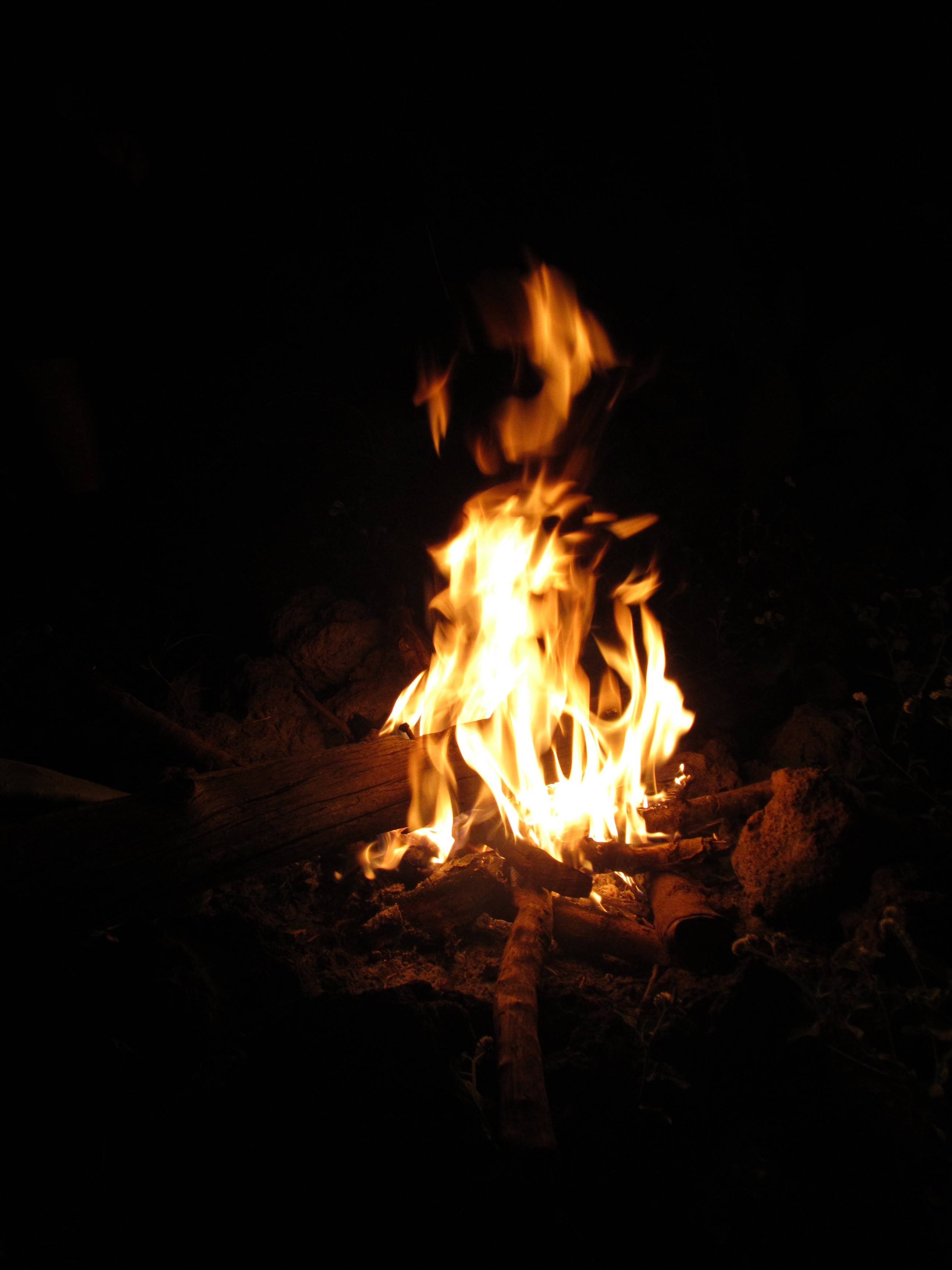
Kakava is celebrated on May 5–6, though in Edirne the festivities often extend over several days, attracting thousands of participants and visitors. On the evening of May 5, a huge bonfire is lit in Edirne’s Sarayiçi district. People gather around the flames, singing and dancing to traditional Roma music, and many leap over the fire, a ritual believed to cleanse misfortune and open the way for better fortune. At dawn on May 6, participants make their way to the banks of the Tunca River. Some enter the water to wash their hands and faces, while others collect bottles of river water to carry home, a symbolic act of purification. Wishes written on colorful papers are tied to the branches of trees along the river, reflecting the hope for renewal and abundance. Throughout these rituals, music and dance remain at the center of the celebration, with Roma musicians and dancers bringing the festival to life. Their performances, accompanied by vibrant clothing and joyful energy, showcase Roma cultural identity while inviting visitors from across Turkey and abroad to join in the spirit of celebration.
For the Roma community, Kakava is far more than an entertainment event. It is a moment of cultural pride and visibility, a chance to share traditions that have often been overlooked or misunderstood. The festival helps preserve identity while pushing back against stereotypes, demonstrating resilience and creativity through ritual and art. At the same time, Kakava has become a key cultural tourism event for Edirne. Each year, thousands of visitors arrive, contributing to the local economy, discovering regional cuisine, and strengthening Edirne’s reputation as a city of rich cultural diversity. The festival brings people together across backgrounds, creating an atmosphere of inclusiveness, friendship, and joy.
In modern times, Kakava also faces certain challenges. The growing popularity of the festival leads to logistical issues such as overcrowding, traffic, and safety management. There is also the risk of cultural commercialization, as the increasing touristic appeal of the festival could overshadow its deeper cultural meanings if not carefully balanced. Ensuring that Roma voices remain at the heart of Kakava is essential to preserving its authenticity. Moreover, as rituals take place along the Tunca River and in natural spaces, the environmental impact of large gatherings must be considered. Protecting the natural landscape and promoting respect for the environment have become an important part of sustaining the celebration for future generations.
Despite these challenges, Kakava continues to thrive as a bridge between past and present, where Roma history and traditions are celebrated openly and joyfully. It is at once a festival of spring, rebirth, and resilience, and a reminder of the power of community and shared humanity. Every May, as bonfires are lit and colorful wishes are tied to trees, Kakava invites participants to embrace both cultural survival and renewal. More than a seasonal ritual, it is a living expression of Roma identity and a celebration that offers hope, joy, and unity to all who take part.
 Back to Focus