Focus ROMI.HR
/
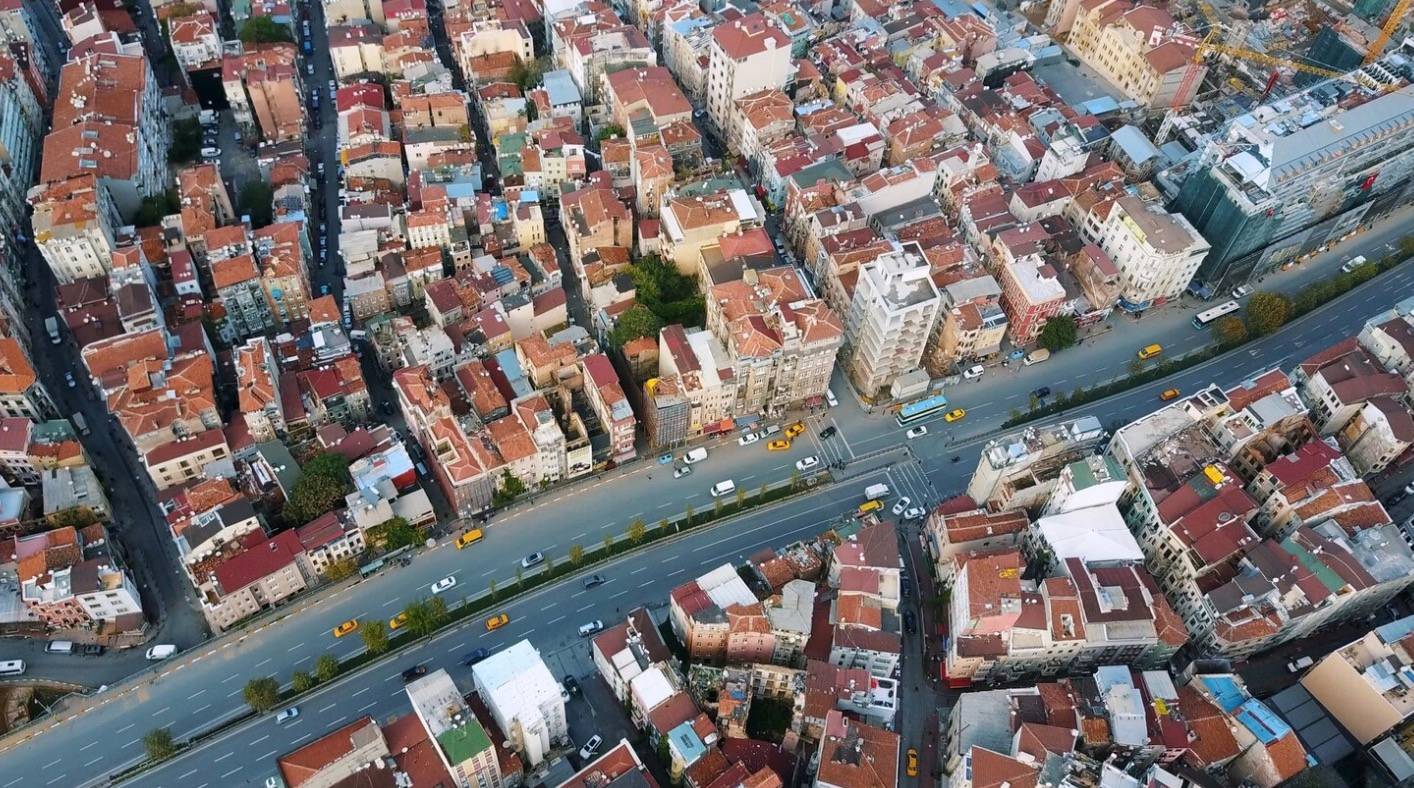 Cityscape Istanbul, Türkiye. Source: teksomolika via Freepik
 Istanbul’s Roma neighbourhoods are more than backdrops of history and urban change — they are living communities where resilience and creativity shape daily life. Despite enduring exclusion and economic hardship, Roma traditions of music, cuisine, and solidarity continue to enrich the cultural fabric of the city.
Istanbul’s Roma neighbourhoods are not only about history and urban transformation; they are living, breathing spaces where daily life unfolds in distinctive rhythms. Despite social exclusion and economic hardship, these communities maintain vibrant traditions of music, cuisine, and solidarity. Their stories reveal resilience and creativity that continue to shape the cultural landscape of the city.
Walking through a Roma neighbourhood, the first thing that strikes many visitors is sound. Roma music, with its unmistakable energy, drifts through narrow streets during weddings, celebrations, and even ordinary evenings. These performances are not staged spectacles but part of everyday life. Families pass down musical instruments, songs, and performance styles, making the neighbourhood itself a school of culture. Local bands from places like Kasımpaşa or Sulukule have influenced Turkish popular music for decades, proving that Roma creativity flows far beyond the boundaries of their neighbourhoods.
Children’s laughter fills courtyards, yet education remains a challenge. According to field reports, Roma children often face discrimination in schools, leading to higher dropout rates. In response, NGOs and neighbourhood associations work to provide tutoring, scholarships, and safe spaces for learning. These initiatives are small but vital acts of resistance against cycles of marginalization.
Community organizations play an increasingly central role. Associations documented in the Roman Dernekleri Saha Raporu act as bridges between residents and institutions. They advocate for housing rights, push for access to municipal services, and create platforms for cultural expression. In recent years, projects such as the Romani Godi field reports have given voice to local experiences, ensuring that Roma communities are seen not only as subjects of policy but also as active participants in shaping their future. These organizations often face resource constraints, yet they demonstrate how grassroots activism can foster resilience.
Yet challenges persist. Prejudice from the wider society, insecure housing, and unstable jobs continue to weigh heavily. Residents often describe the paradox of living at the heart of Istanbul while feeling invisible in its social and political life. Still, as reports emphasize, the pride and solidarity found in these neighbourhoods are enduring forces. Roma residents frequently say, “We may be poor, but we are together” — a sentiment that captures both hardship and resilience.
Roma neighbourhoods are thus more than sites of displacement and urban struggle; they are also spaces of life, creativity, and community-building. Their music, food, traditions, and activism enrich Istanbul’s diversity, reminding us that the city’s story cannot be told without them. Recognizing and supporting these neighbourhoods means valuing not only a marginalized community but also the cultural heartbeat of Istanbul itself.
 Back to Focus