Focus ROMI.HR
/
 Source: Freepik
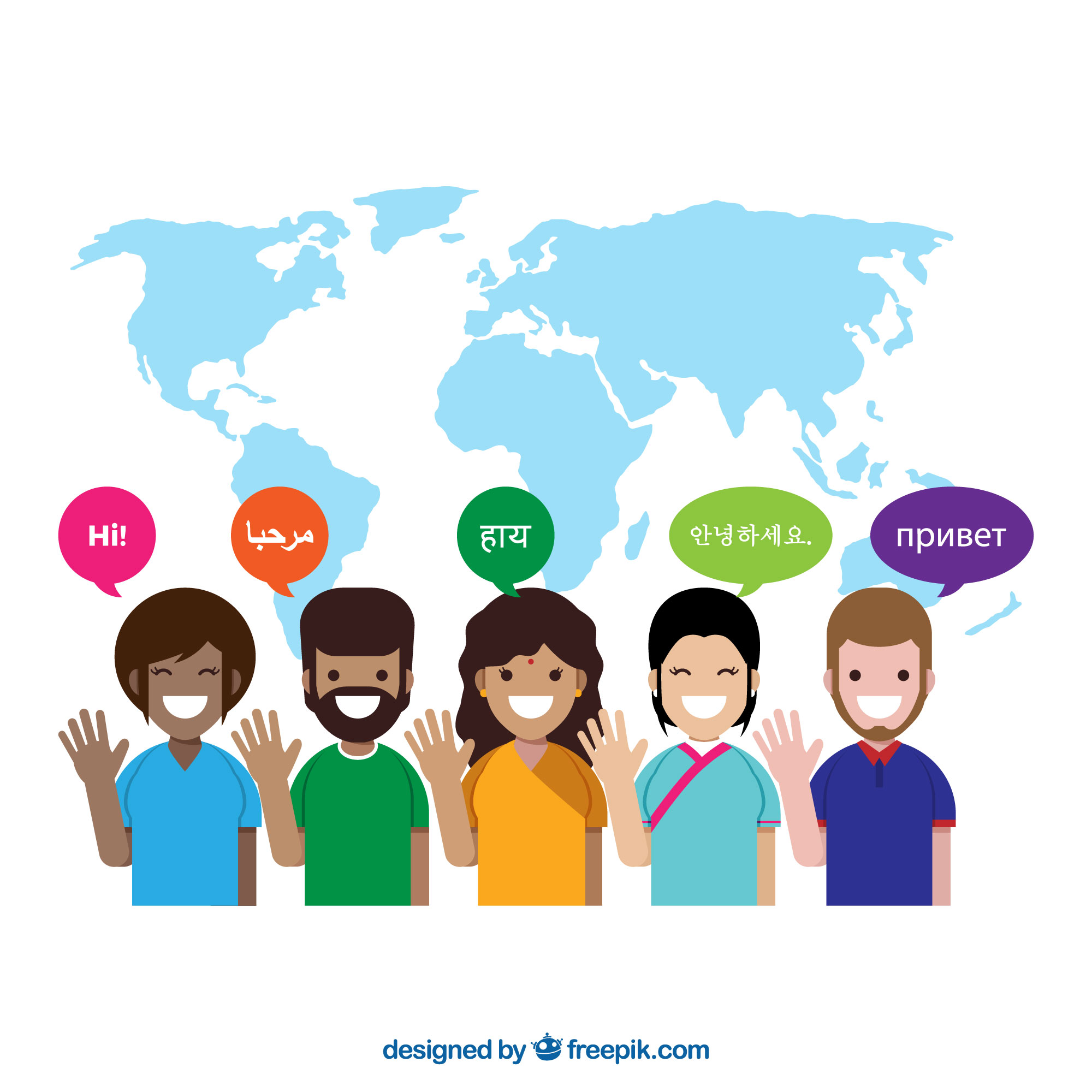
 Protecting minority languages is a crucial step to keep cultures and identities alive. Also Croatia, which made important efforts to improve the protection offered to minorities, is in a limbo between adopted instruments and their effective implementation. The Boyash-speaking Roma community is a key example of the challenges still out there.
Minorities are groups of people who share a common culture, a religion and/or a language which are different from those shared by the majority of the population residing in a given State. This definition, which is quite broad and general, tries to describe the intricate notion of (national or ethnic) identity. Whenever we study minorities, from whatever perspective, identity is always at the center of the conversation, because it includes all the traits and attributes or expected behaviors that are common to all people pertaining to a specific social category. In the context of minority rights, these elements include religion, culture, ethnicity, language, etc.
Since minorities differ from the majority precisely because of their peculiar identity, it is fundamental to protect the elements that make them stand out. Here is where language policies become relevant: the language we speak says a lot about how we think, our history and traditions, and our culture too. Preserving it means to make sure that centuries of history do not get lost or absorbed by the ones of the majority.
Linguistic rights protect the individual and collective use of language. They are particularly important, especially for minorities, because they ensure that these groups can use their native languages in private and public life, access education in that language, and communicate with authorities in it. Such rights are crucial for preserving the cultural identity of ethnic minorities and ensuring their equal participation in society.
Linguistic rights encompass several key areas. First is the right to use one’s mother tongue, both privately and publicly, including in cultural and religious life. Second, individuals have the right to education in their native language, particularly at the primary level. Third, there is the right to communicate with public authorities in one’s language, especially in areas where linguistic minorities are present in significant numbers.
These rights are essential not only for individual freedom but also for the preservation of linguistic diversity and minority cultures across the globe.
The importance of protecting languages has been recognized by several international organizations, and this resulted in the production and adoption of many significant documents, including declarations, conventions, and recommendations directed to States that host minorities in their territories. Among the most widely recognized documents, there is the Universal Declaration of Human Rights, adopted by the United Nations in 1948, which prohibits discrimination based on language (Article 2). Since the Declaration does not imply any legal obligation for States, minority protection is also ensured by legally-binding documents, such as the International Covenant on Civil and Political Rights (Article 27), which also protects the rights of minorities to use their language.
At the European level, the most proactive organization is definitely the Council of Europe, which, in the 1990s, adopted two relevant instruments for minority protection: the Framework Convention for the Protection of National Minorities (FCNM) and the European Charter for Regional or Minority Languages (ECRML). These documents set out obligations for Member States to promote and protect the languages of national minorities.
The FCNM, adopted in 1994 and entered into force in 1998, is a broader document concerning and regulating all the aspects of being part of a minority, dealing with all the aspects that may require additional attention from States. A specific section is devoted to the use of minority languages in private and in public as well as, under certain conditions, when addressing administrative authorities. Additionally, members of minorities have the right to use their personal names, and to get information and geographical indications in the minority language, as long as the minority is numerous enough in terms of census.
States must be proactive in ensuring the protection and development of minority languages, even by allocating some specific budget to finance relevant projects or by supporting the activities of minority groups through other ways.
The ECRML, instead, is specifically about the protection and promotion of those languages traditionally used within a given territory by minority groups. They must be different from the official language(s) of that state, but they do not include dialects of the official language(s) of the state nor the languages of migrants (Article 1). The languages covered by the ECRML vary from State to State, because it is up to them to choose what languages they will protect. For Croatia, protected languages are Czech, German, Hungarian, Boyash Romanian, Istro-Romanian, Italian, Ruthenian, Serbian, Slovakian, Slovenian, and Ukrainian.
The ECRML offers States parties the possibility to choose how and to what extent they want to protect the languages spoken in their territories. All minority languages are granted general protection, which include promoting tolerance and mutual understanding and emphasizing their cultural value. However, States can also decide to offer additional protection to some languages, committing to take some more actions in the fields of education, media, culture, administrative use, judicial system, and economic and social life.
For what concerns Croatia, Boyash, which is the language spoken by almost all Roma people residing in the country, is only granted basic protection, meaning that Boyash speakers are not entitled to use their language in official documents, when addressing authorities, or to receive education in their language.
To complement the international instruments about minority protection, Croatia has adopted multiple national laws throughout the decades. In 2002, the country passed the Constitutional Law on the Rights of National Minorities, the main law in this realm: it guarantees the use of minority languages in education, public administration, and media, and allows proportional representation in government bodies. Other relevant laws have been passed specifically on the official use of minority languages, especially in those regions in which minorities represent a significant portion of the population.
A major role in ensuring language protection is also played by local institutions, because they can either encourage and facilitate higher commitments by the State, or hamper them depending on their ideologies or political climate.
For all these reasons, Croatia (just like other countries) shows huge changes between adopted laws and implementation. In some regions, for example, legal provisions are ignored or only partially enforced, often due to local opposition, lack of resources, or political unwillingness.
Croatia’s attempts at protecting minorities have been recognized by international organizations, which praised the efforts made in the last two decades to improve their conditions. However, and especially for what concerns minority languages, the Council of Europe noted that Croatia is still lagging behind and should focus on ensuring higher levels of protection for minorities. For example, the decision of including Boyash among the list of protected languages is considered a significant step forward, but it has been underlined how this improvement was not followed by more concrete actions to actually encourage Roma people to speak Boyash and preserve their tradition and culture also through language.
Looking ahead, education, intercultural dialogue, and cross-border cooperation within the European framework can contribute to closing the gap between law and practice. Ensuring that every citizen feels seen, heard, and included—regardless of the language they speak—is a goal worth striving for.
 Back to Focus