Focus ROMI.HR
/
 Source: wirestock via Freepik
 The opening of the Roma Memorial Center in Uštica, as part of the former Jasenovac concentration camp, marks a long-overdue step toward acknowledging a deeply overlooked chapter of European history: Porajmos - the genocide of Roma people during World War II. While its creation is a meaningful act of recognition and remembrance, the real challenge lies ahead: ensuring that this history is not only preserved but continuously taught, honored, and integrated into the broader narrative of the Genocide. Without sustained effort and commitment, even powerful symbols like Uštica risk fading into silence once more.
The Roma Memorial Center Uštica opened on August 2, 2020, in the village of Uštica, near Jasenovac in central Croatia. It is the only museum in the world that focuses only on the genocide of Roma people during World War II. The memorial honors the thousands of Roma who were killed by the Ustaše regime in the Independent State of Croatia. It was built on the site of a former Roma camp and cemetery, as part of the former Jasenovac concentration camp, where a huge number of Roma were murdered between 1942 and 1945. Today, 21 mass graves have been found in that area.
Historical Background
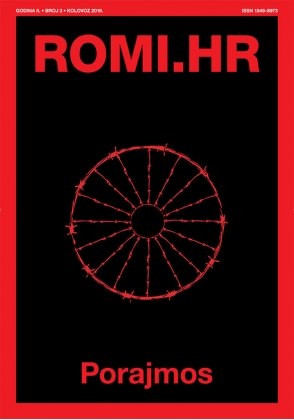
After the Independent State of Croatia (NDH) was formed, the Ustaše regime created harsh policies against the Roma. In May 1942, the vast majority Roma families were taken from their homes and sent to camp Jasenovac. They were often told lies—such as that they were being moved to Romania or another region for a better life. In reality, they were packed into crowded train cars and separated upon arrival. People who were strong enough were forced to work, while women, children, the elderly, and sick people were killed soon after. This horrifying event is part of the Porajmos, the name used for the genocide of Roma people across Europe, during which numerous Roma were murdered.
The Memorial Center Today
Although a small plaque was placed at the Uštica site in 1971, the area was largely forgotten for many years. In 2012, efforts began to restore and properly honor the site. The Roma National Council (RNV) and Croatian Romani Union “Kali Sara’’ initiated the landscaping of mass graves and other activities related to the memorialization of the suffering of Roma in the Jasenovac concentration camp, including the Uštica site, which was an integral part of the Ustaša camp during the Second World War.
The initiative was later supported and financially enabled by the City of Zagreb, which funded the construction of the memorial center in Uštica, with the personal efforts of then-mayor Milan Bandić. These efforts led to the opening of the Roma Memorial Center on August 2, the International Roma Genocide Remembrance Day with the stated aim of being a place that would remember the victims and educate future generations.
One of its most powerful features is the “Wall of Pain,” where the names of victims are engraved. The powerful experience of reading thousands of names of concentration camp Roma victims cannot be significantly diminished even by the use of the same space for the promotion of donors and organizers by inscribing their names alongside the names of the victims. Each year, especially on August 2, people gather at the memorial to honor those who lost their lives and to ensure their stories are never forgotten.
Significance and Legacy
The Roma Memorial Center in Uštica is built to play an important role in remembering a part of history that was often ignored. For many years, the suffering of Roma people during the Porajmos was left out of public discussions in Yugoslavia and the countries that followed. Most attention was given to general stories of bravery, instead of the specific pain experienced by the Roma.
Today, Uštica is a place where this pain and history can finally be talked about openly. It can help people—scholars, students, and the public—learn about the genocide, human rights, and the importance of remembering what happened. The Center was established to make sure that these stories are not forgotten and become a lasting part of European history.
It is the responsibility of the organizers to make the Center accessible and regularly open to visitors, and to put in sufficient effort to ensure that the Center becomes what was intended as its goal and purpose when it was initiated and built.
 Back to Focus